Dār
An ecosystem of everyday objects that supports shared rituals through ambient communication
Abstract
Dār investigates how everyday rituals, embodied through an ambient ecosystem of objects, can counter emotional distance caused by displacement and loss of home. The project explores how design might restore quiet, comforting moments that once happened naturally between people who lived together by making presence and emotional continuity perceptible without screens or direct conversation.
Team Size: Solo Project
Duration: 4 monthsMethods: Trauma-Informed & Participatory Research, Interviews, Cultural Probes, Iterative Prototyping
Tools: Fusion 360, Arduino (ESP32-S3), NFC, NeoPixels, Vacuum Forming, Adobe Illustrator, Photography & Video
Duration: 4 monthsMethods: Trauma-Informed & Participatory Research, Interviews, Cultural Probes, Iterative Prototyping
Tools: Fusion 360, Arduino (ESP32-S3), NFC, NeoPixels, Vacuum Forming, Adobe Illustrator, Photography & Video
Dār explores how forced displacement reshapes individuals’ relationships with home, memory, and everyday objects, and how design might support emotional continuity after loss. Grounded in trauma-informed and participatory research, the project investigates how rituals, sensory cues, and material familiarity contribute to feeling at home following displacement. Drawing on principles from calm technology and tangible user interaction, Dār proposes an ecosystem of everyday domestic objects that use effortless, ambient communication to support shared rituals across households. By embedding connection within familiar practices such as eating together, arriving home, and saying good night, the project positions object-based ambient systems as a gentle design approach for fostering presence, belonging, and relational continuity across distance.
Overview
Placemat Prototype
When home is lost, the disruption extends beyond shelter to daily routines and small moments that once communicated care, safety, and connection. For individuals separated from loved ones by displacement, the absence of shared rituals such as meals, arrivals, and nightly routines can become one of the most painful reminders of loss. While communication technologies enable contact, they often fail to support the quiet, ambient forms of closeness that once occurred naturally between people who lived together.
This project asks:
How might everyday rituals performed through ambient ecosystems help counter emotional distance caused by loss of home or displacement?
Challenge
User Interview Insight Exploration
Design Process
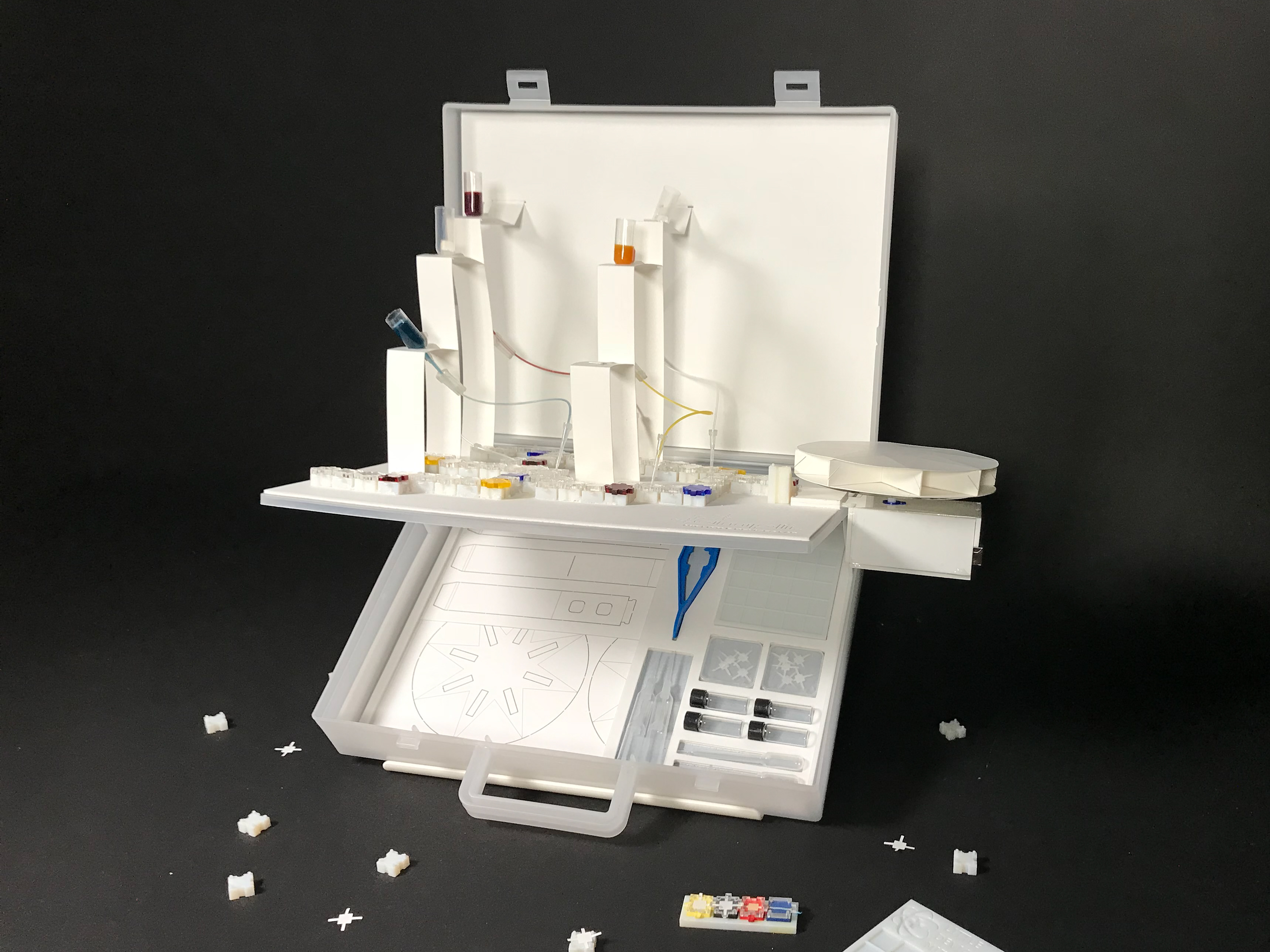
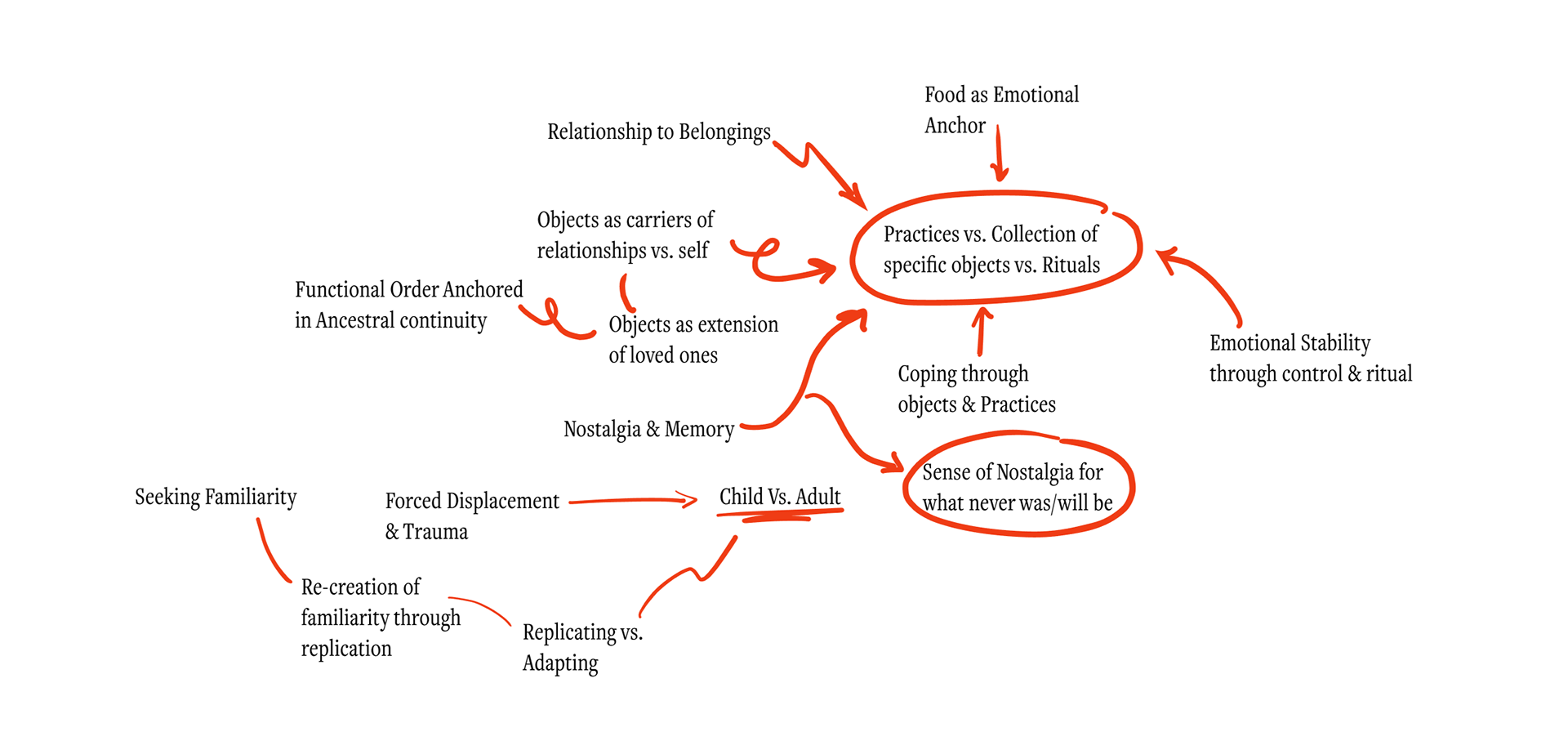
The project was grounded in trauma-informed, participatory, and culturally contextualized design practices. Semi-structured interviews and cultural probes were conducted with individuals who have experienced forced displacement, focusing on how they attempt to reestablish comfort and familiarity in their current homes.
Analysis revealed three interrelated forms of familiarity that contribute to feeling at home:
• Sensory familiarity, often tied to food, smell, sound, and rhythm
• Material familiarity, rooted in heirlooms and objects of comfort
• Ritual familiarity, maintained through repeated everyday practices
An early insight from the research was that community does not necessarily need to exist outside the home. Instead, domestic rituals can serve as a site for rebuilding connection and emotional grounding.
Research Approach
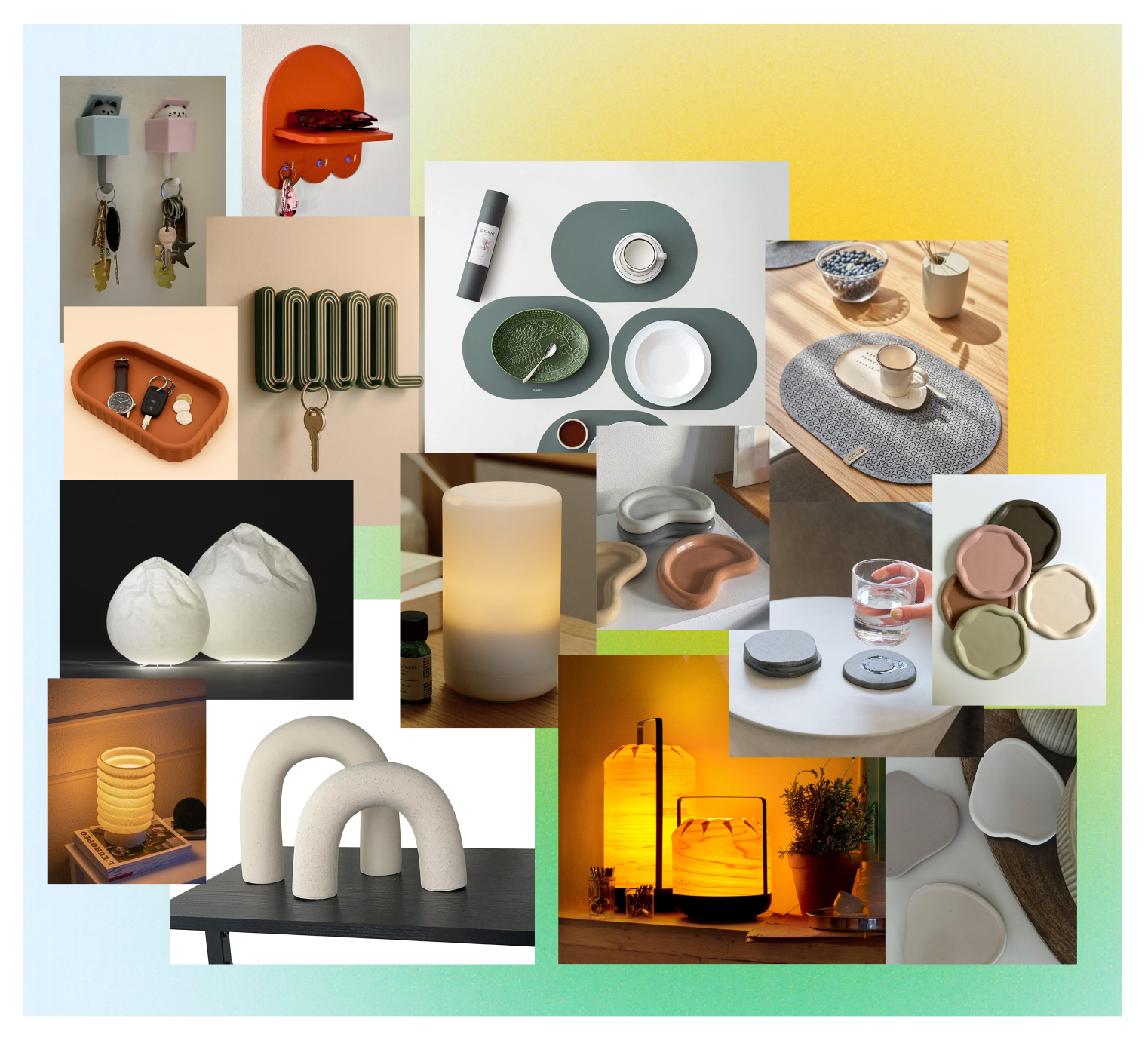
Moodboard
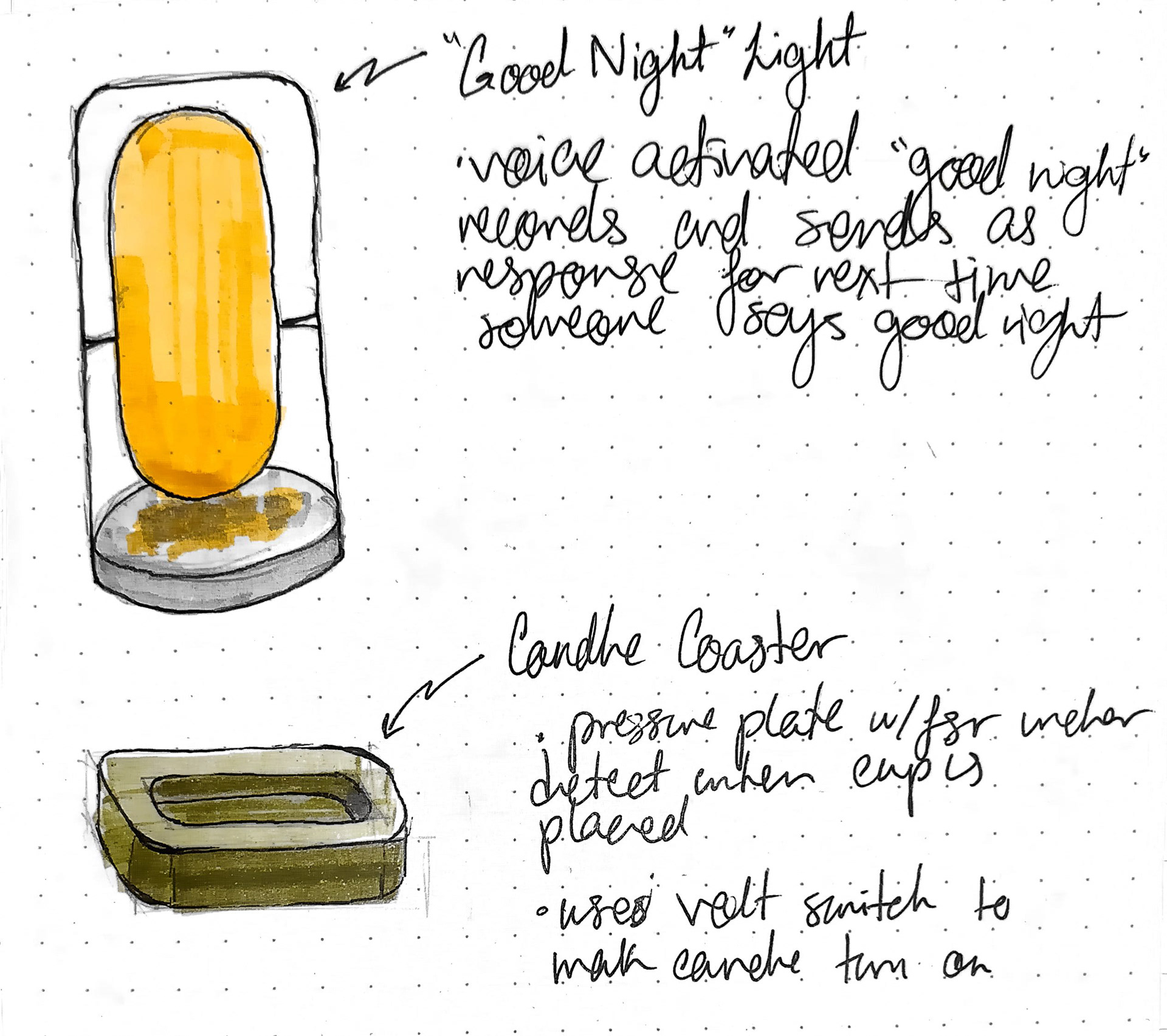
Descriptions of objects
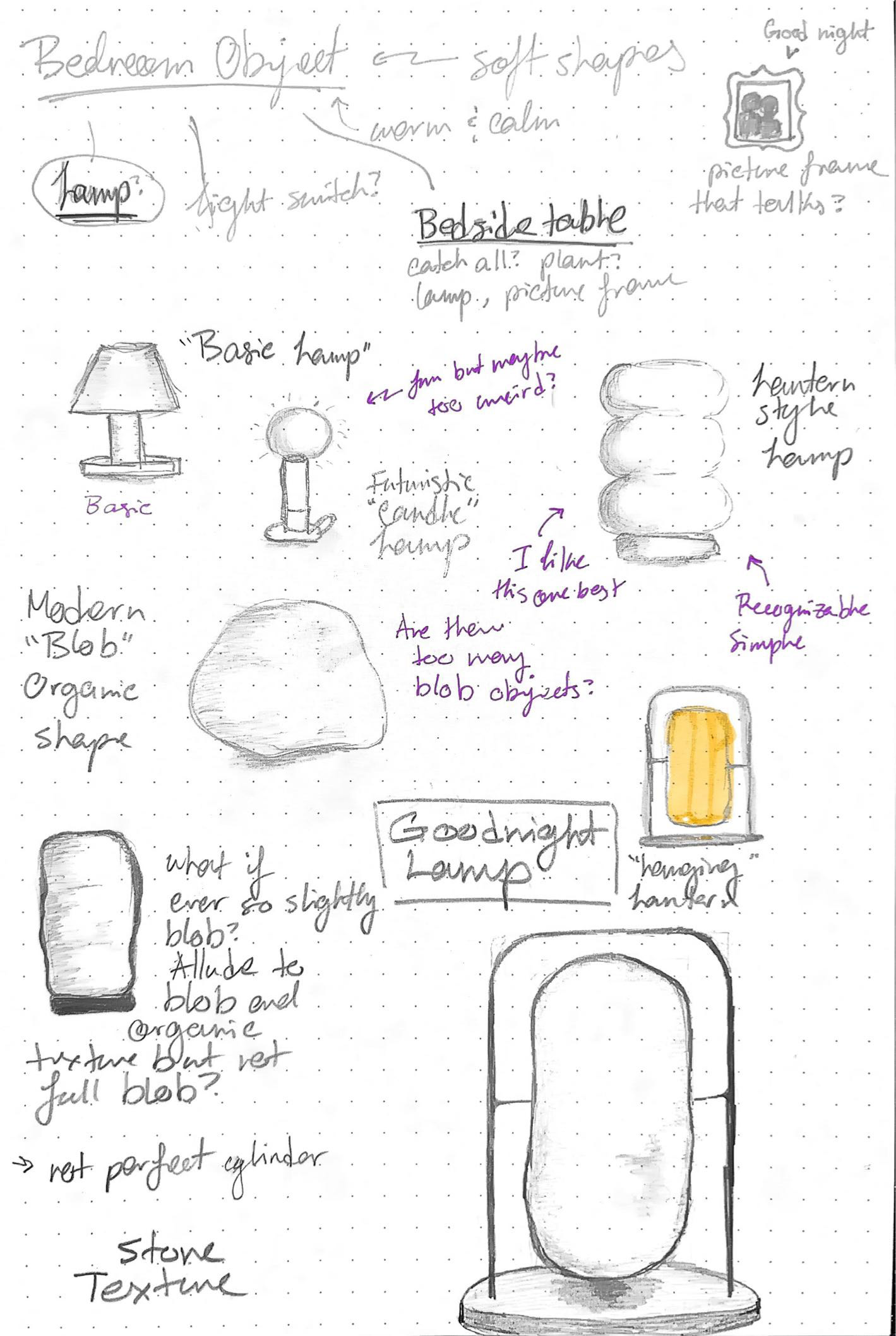
Ideation Sketches: Lamp
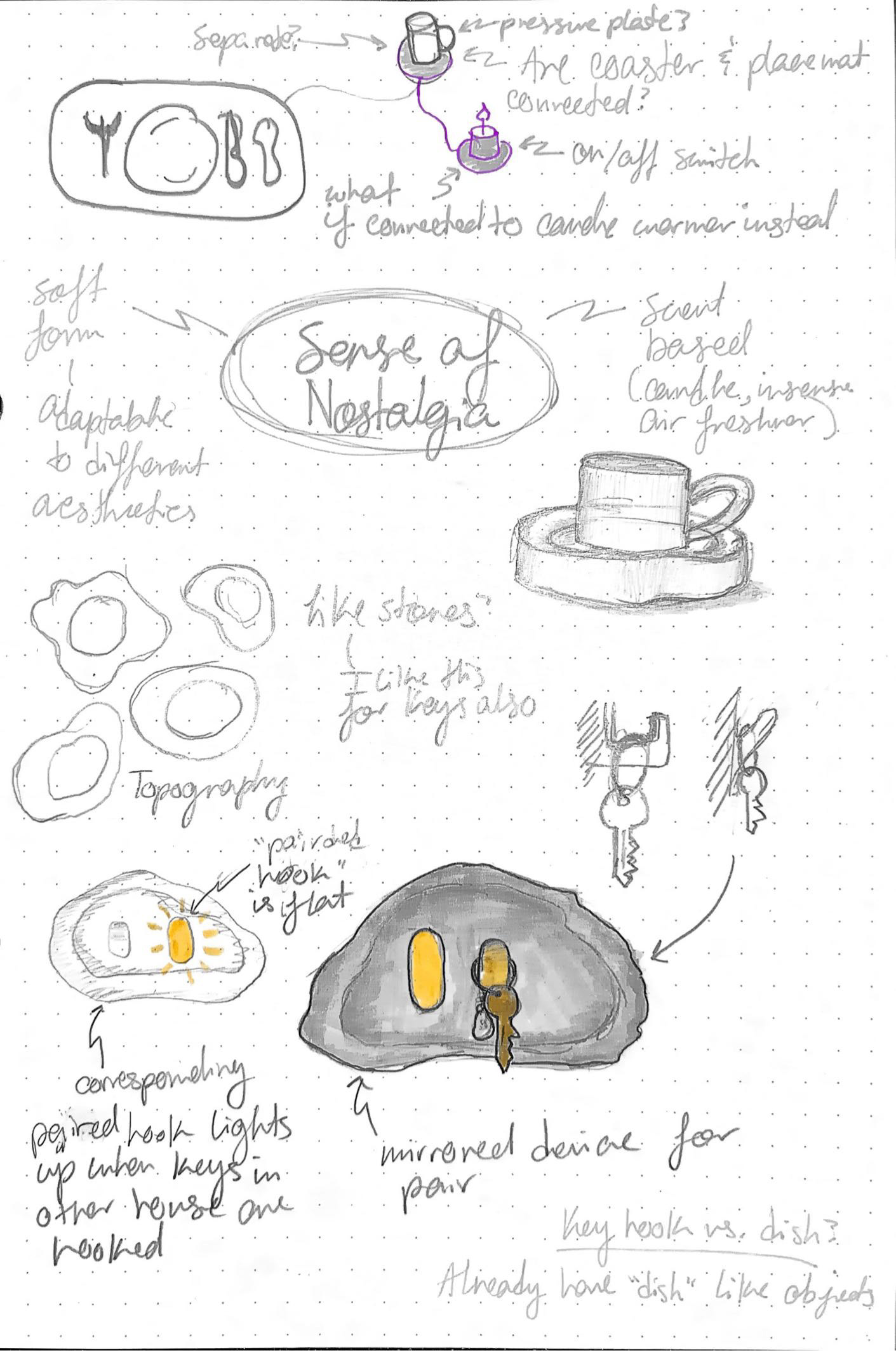
Ideation Sketches: Coaster and Key Hook
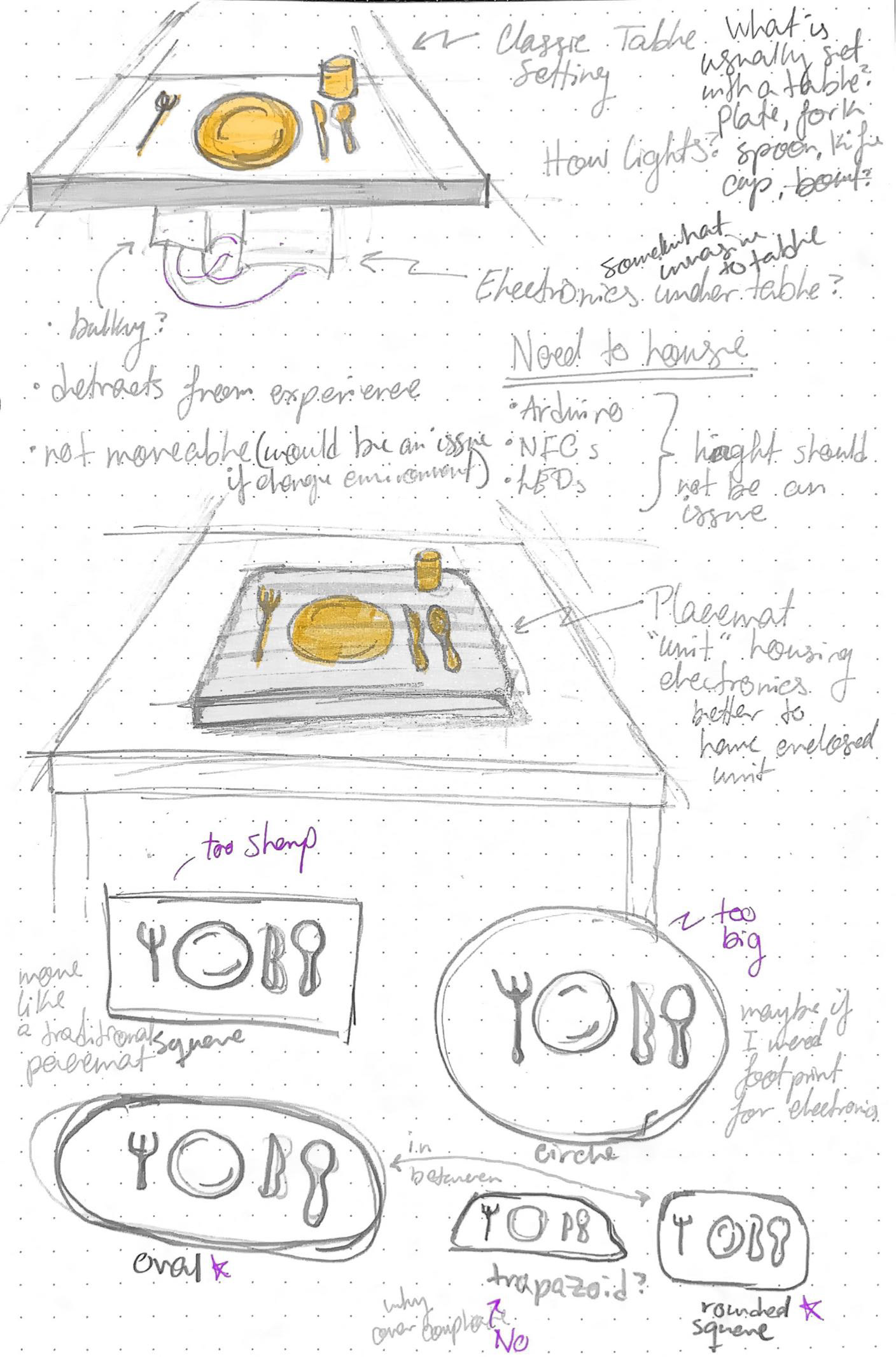
Ideation Sketches: Placemat
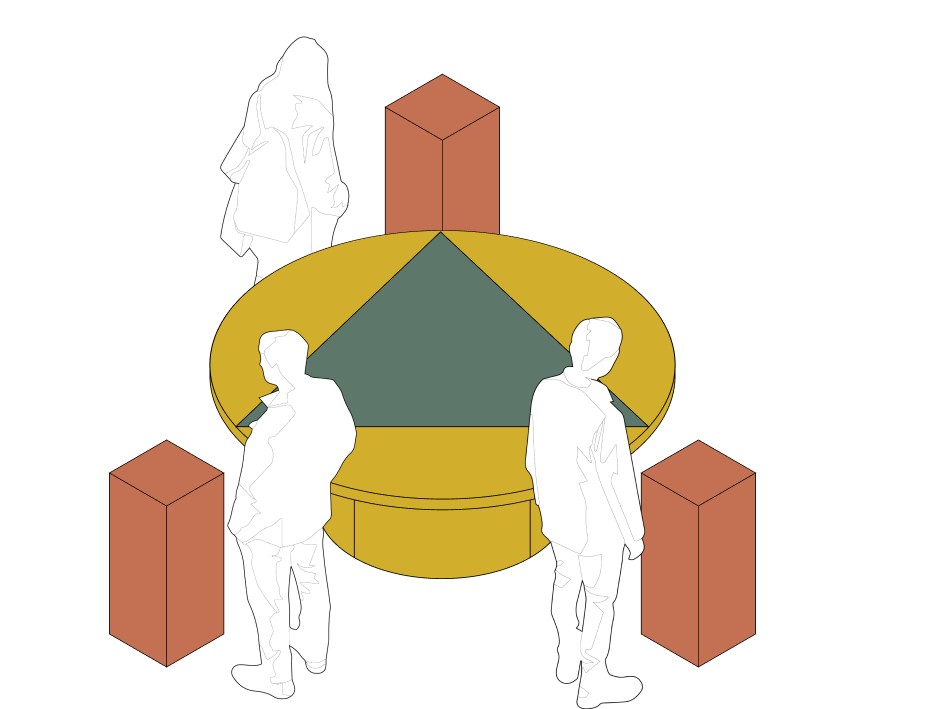
Dār is an ecosystem of connected everyday objects designed to support quiet forms of closeness across two households. Rather than relying on screens or explicit communication, the system embeds ambient presence into familiar domestic rituals.
The ecosystem is structured across a matrix of ritual frequency and signal abstraction, allowing different moments of the day to carry different emotional weight while remaining effortless to use.
• Placemat: Represents sharing a meal, with low abstraction and high frequency of use.
• Key dish: Represents arrivals and departures, through simple ambient signals.
• Coaster: Represents pause and reflection, using olfactory sensory cues.
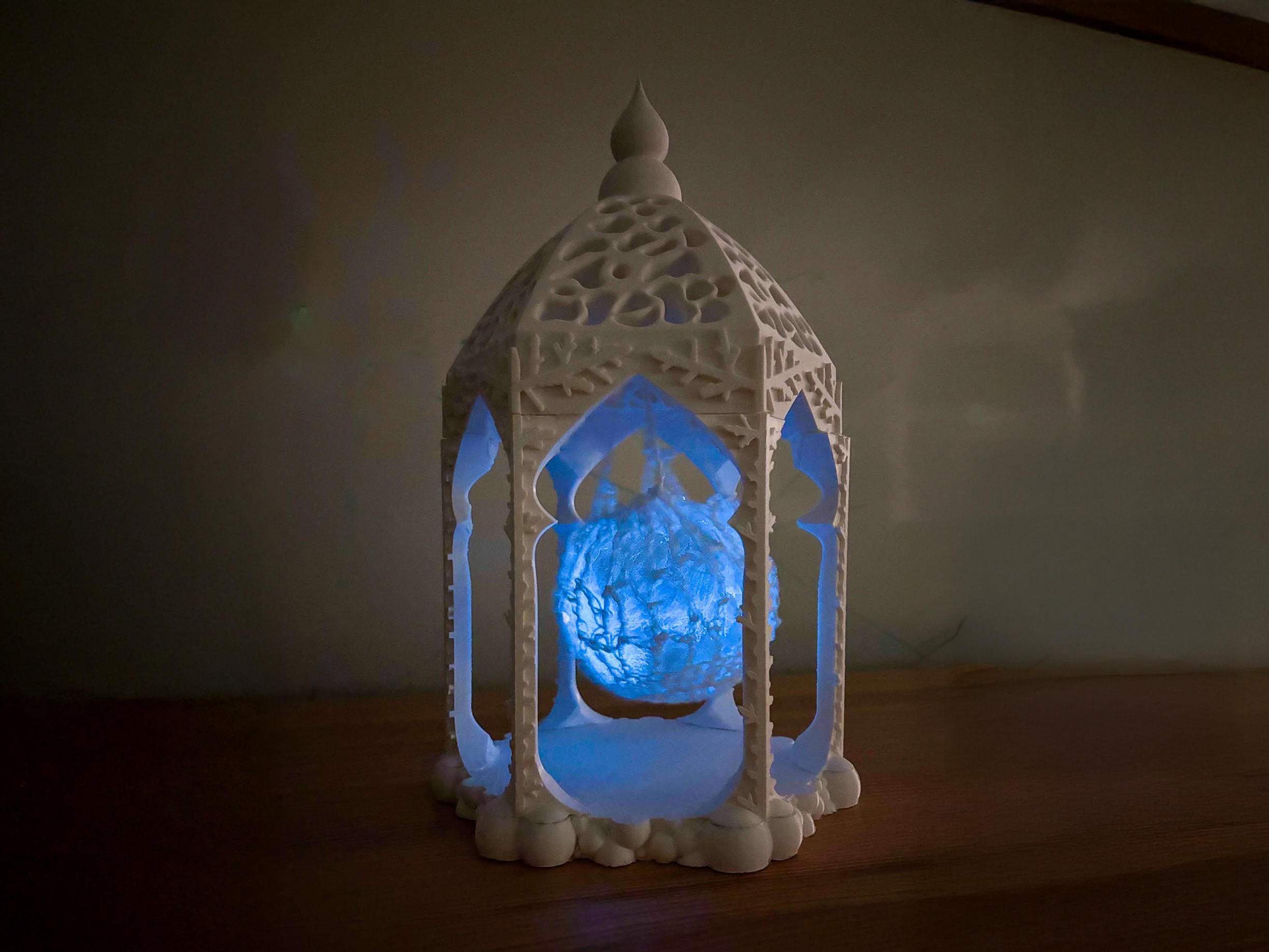
• Night light: Represents saying good night, and is the most emotionally explicit artifact.
Together, these objects support presence without interruption and connection without constant interaction.
Design Response
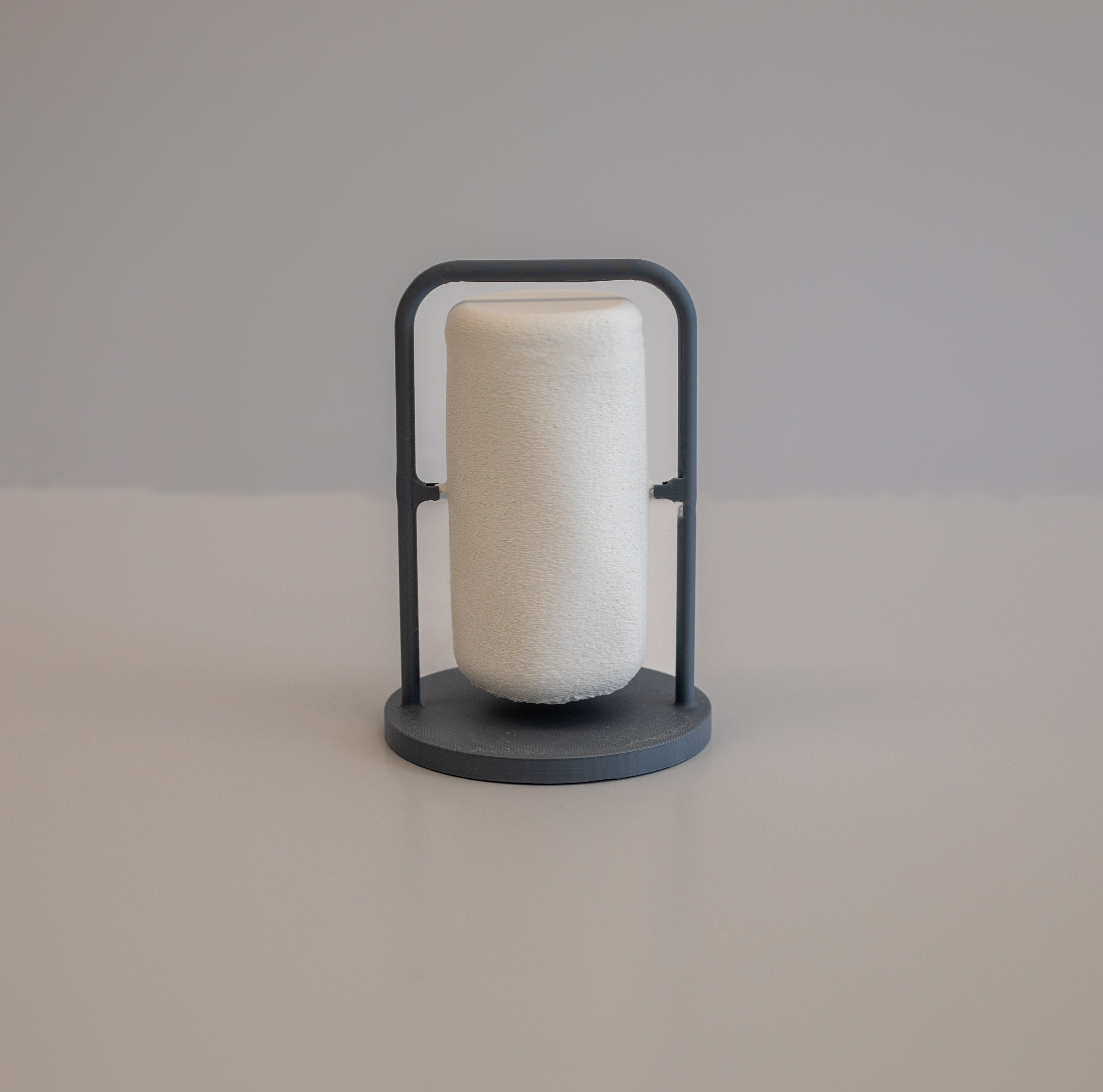
Lamp Prototype
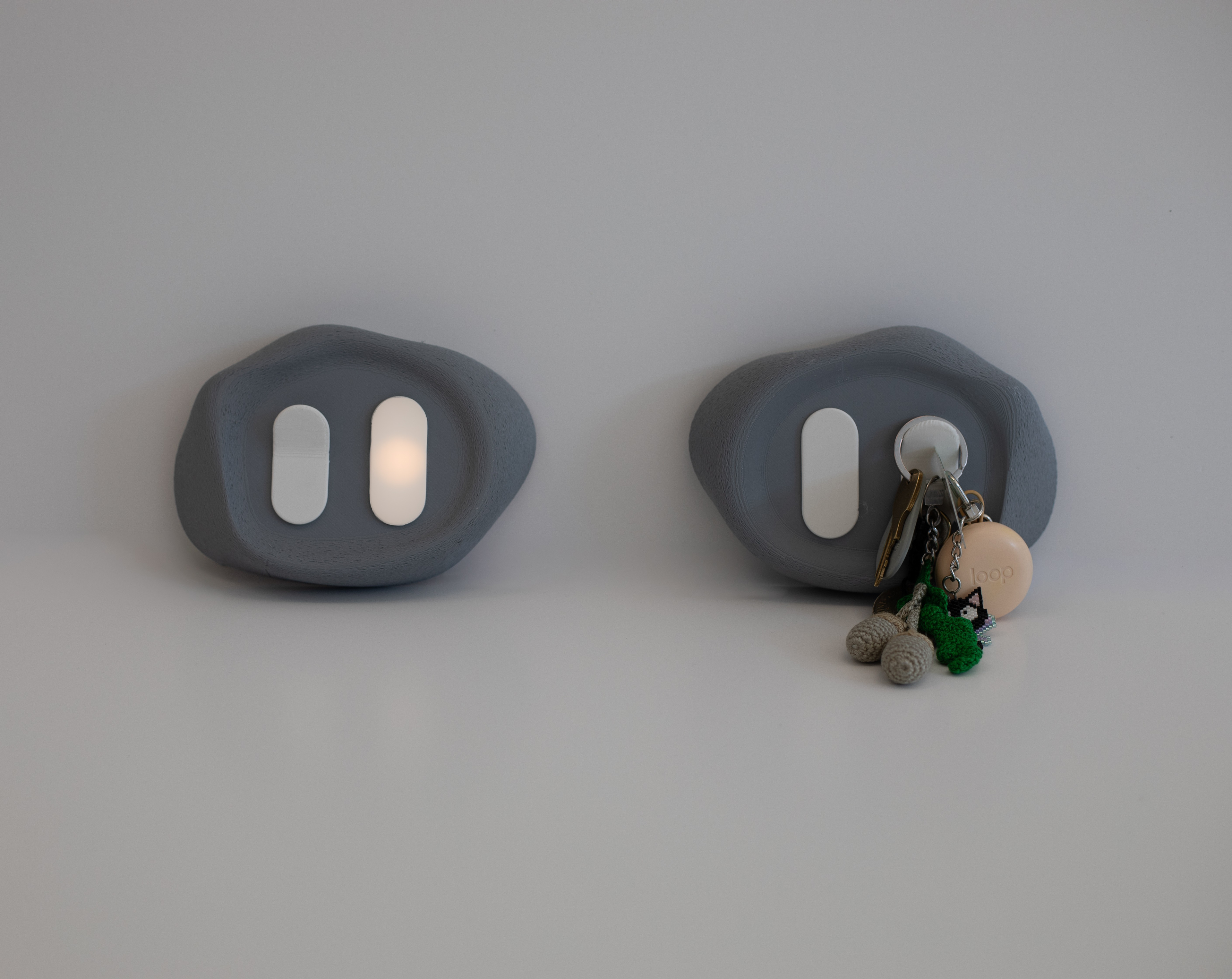
Keyhook Prototype
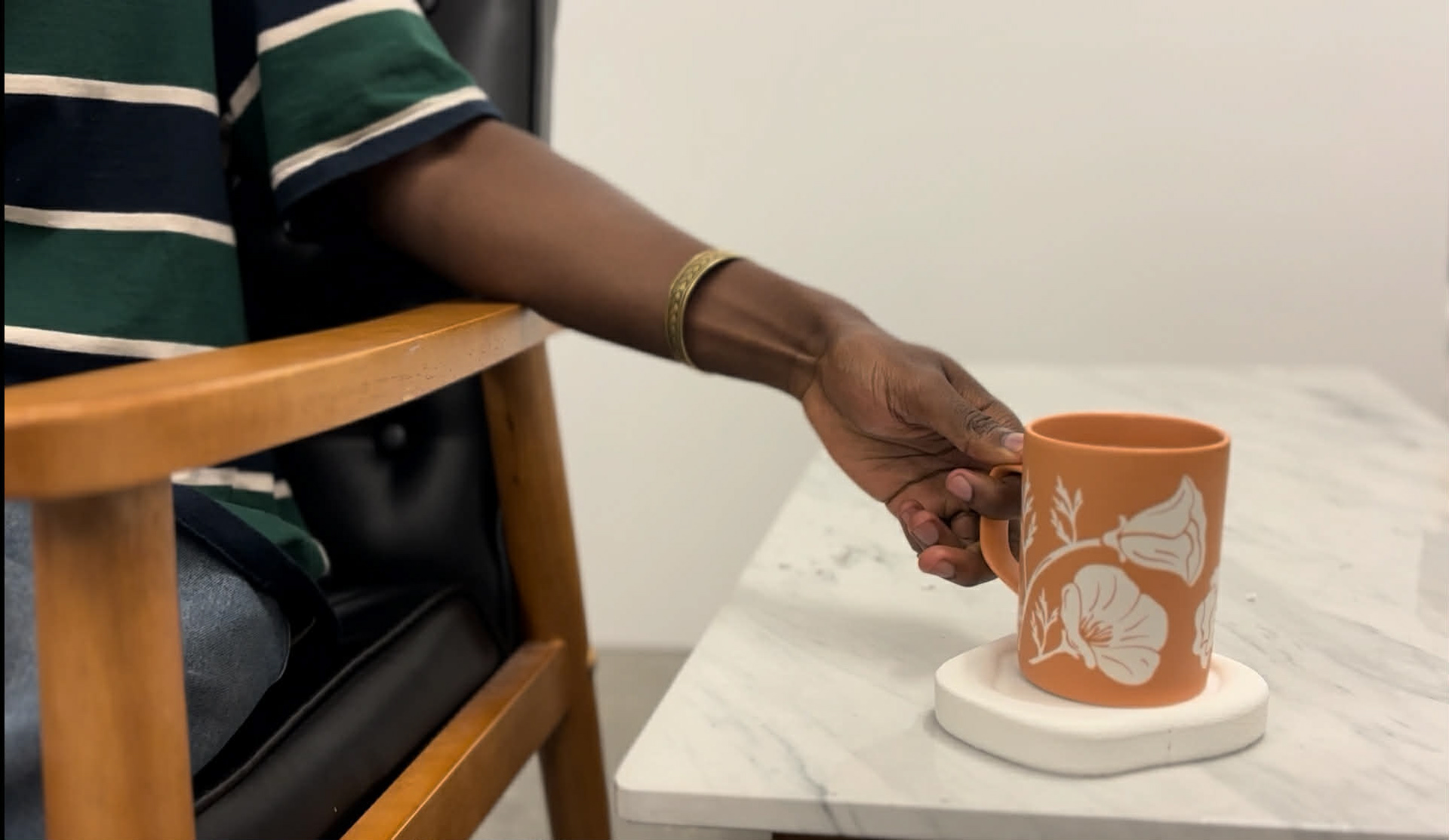
Coaster Prototype
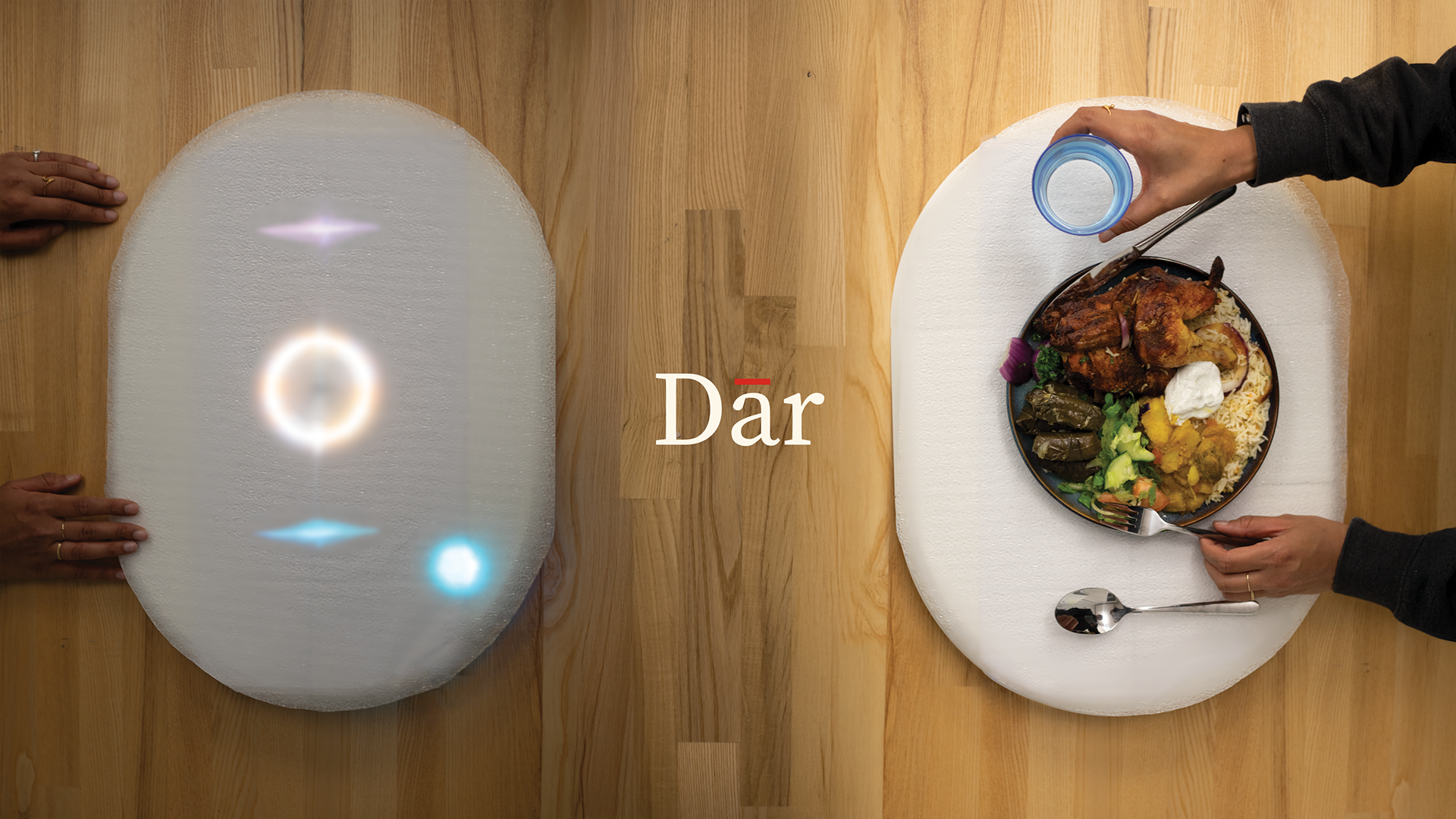
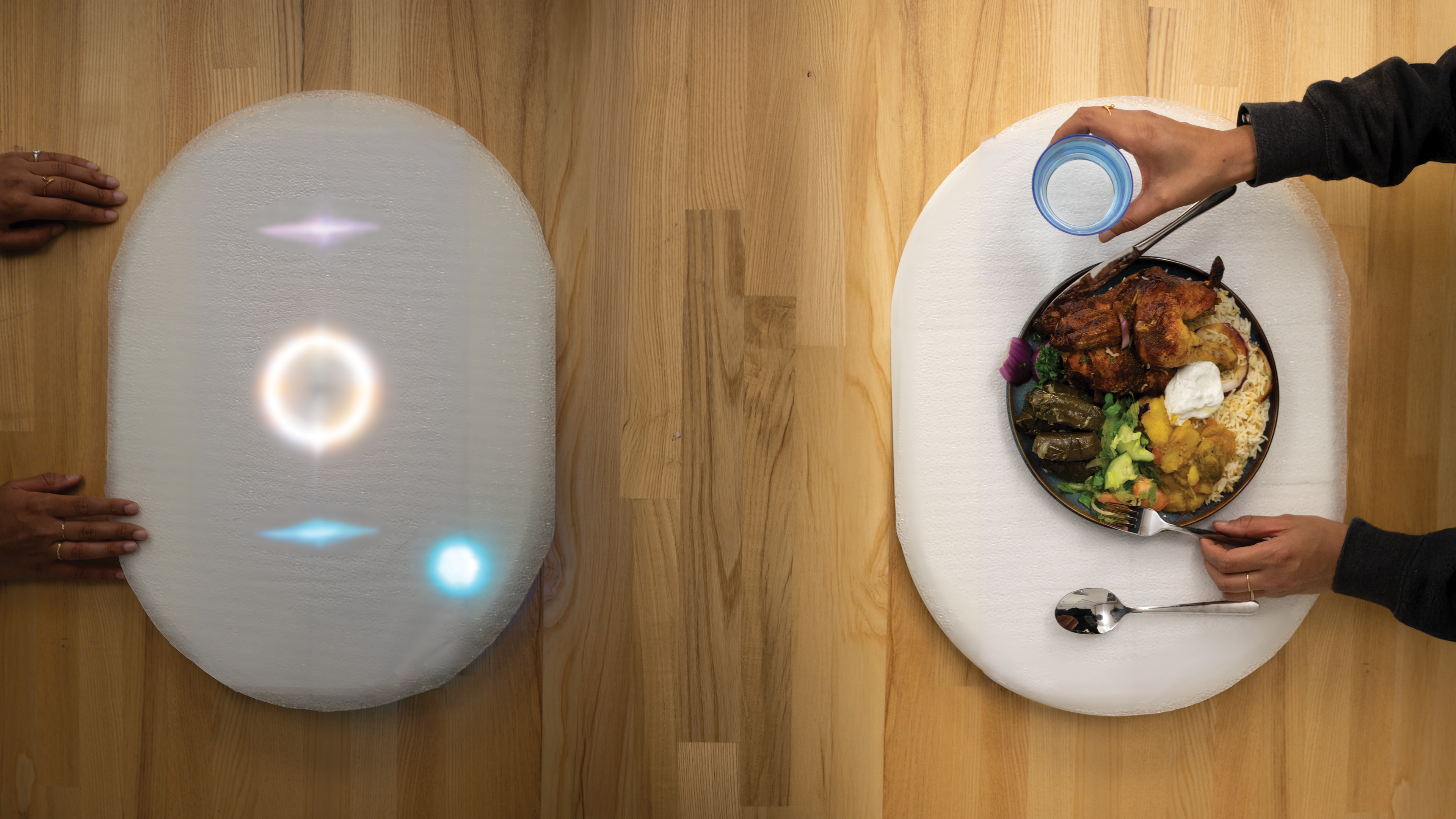
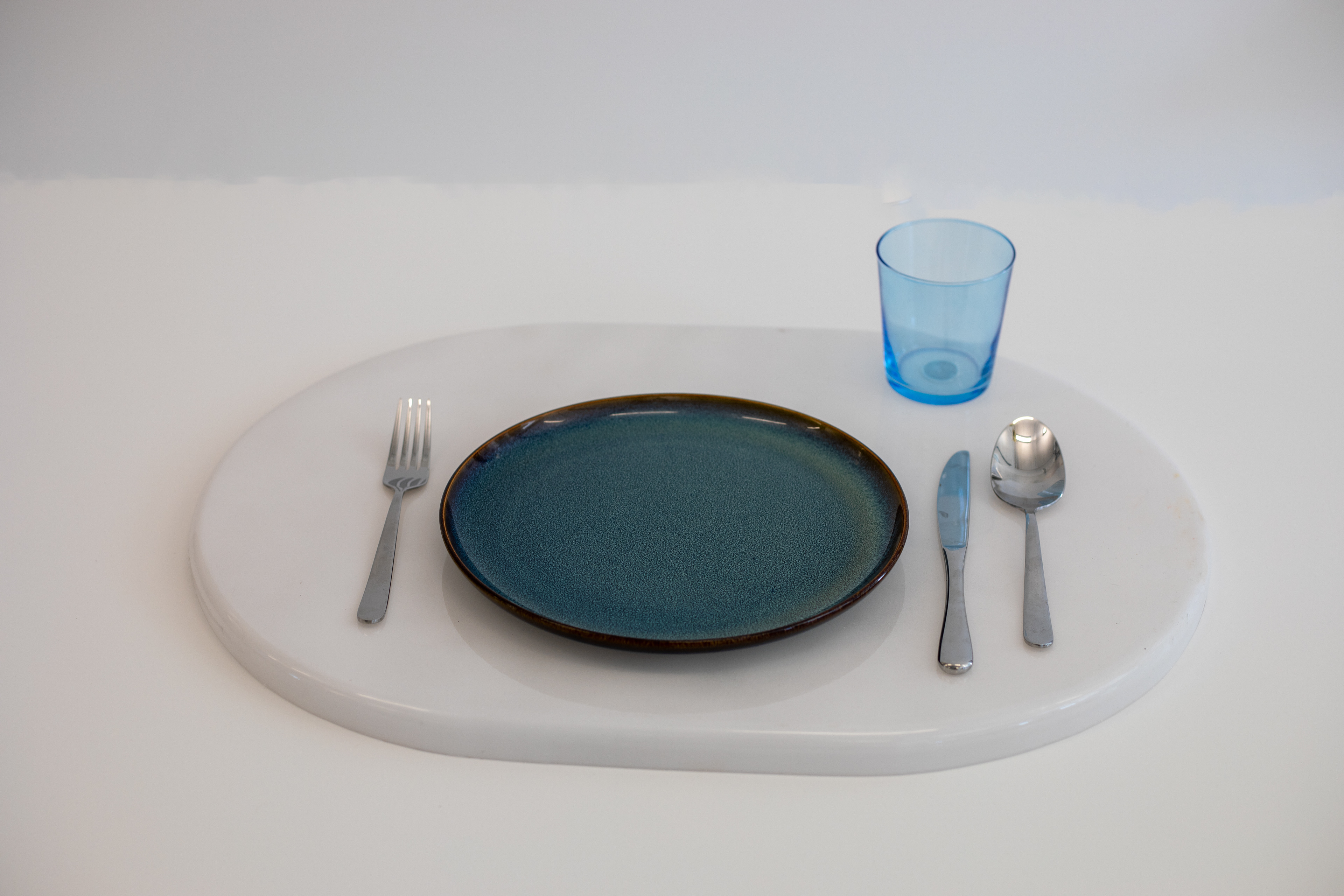
The placemat was developed as a works-like prototype to validate both the technical and experiential feasibility of the system. Shared meals emerged as one of the most emotionally significant rituals, making the placemat an effective anchor for testing ambient communication.
The prototype evolved through iterative fabrication, from early 3D-printed forms to a vacuum-formed final surface integrating NFC, microcontrollers, and programmable lighting.
• Interaction: Placing a plate triggers a soft ambient glow.
• Pairing: The signal is mirrored in a second home.
• Effect: Users can sense shared mealtime without speaking or scheduling.
The remaining artifacts were developed as high-fidelity looks-like models, allowing the ecosystem to be evaluated across rituals with varying levels of abstraction.
Prototype Development
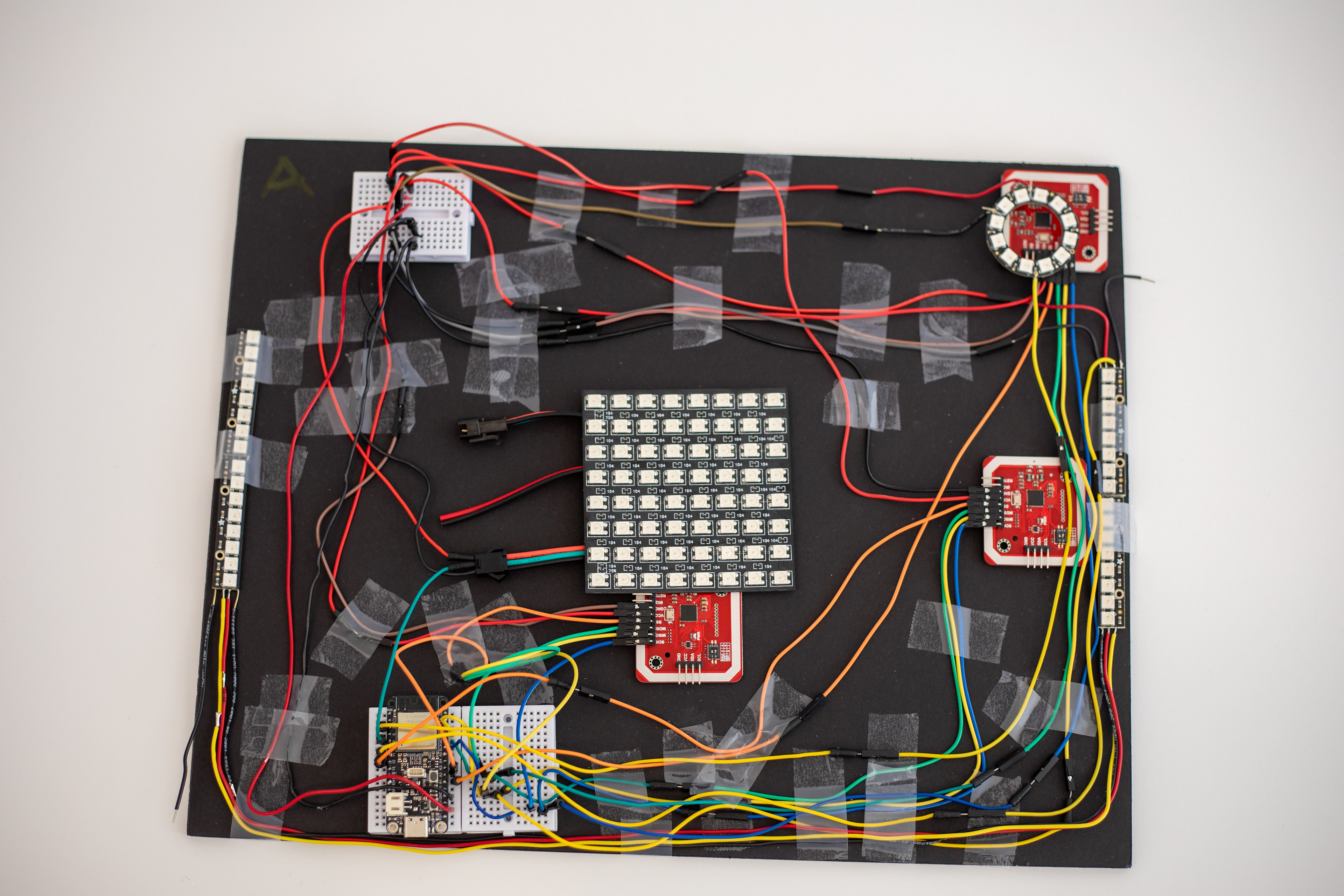
Electronics and Circuitry
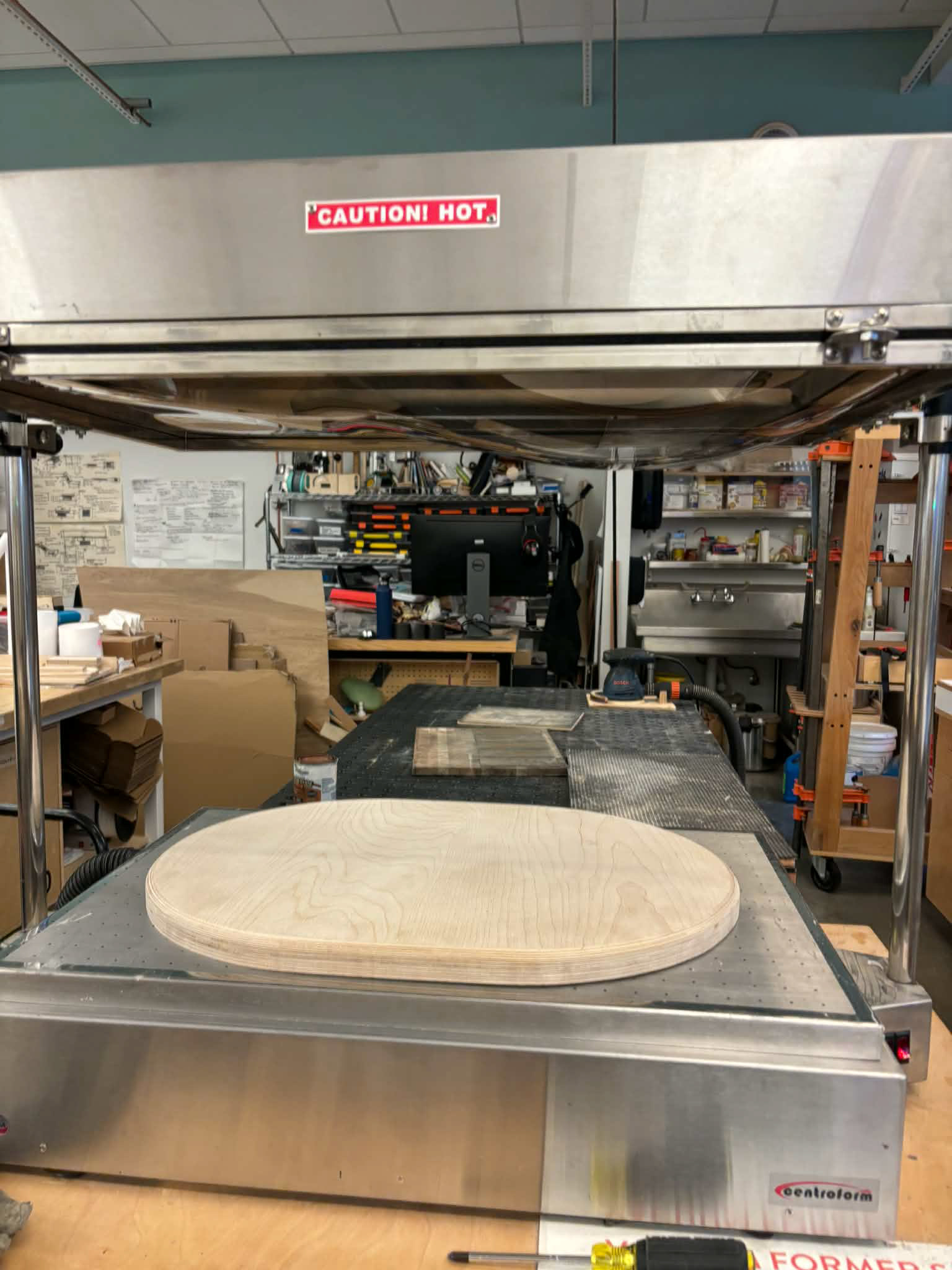
Vacuum Forming Process
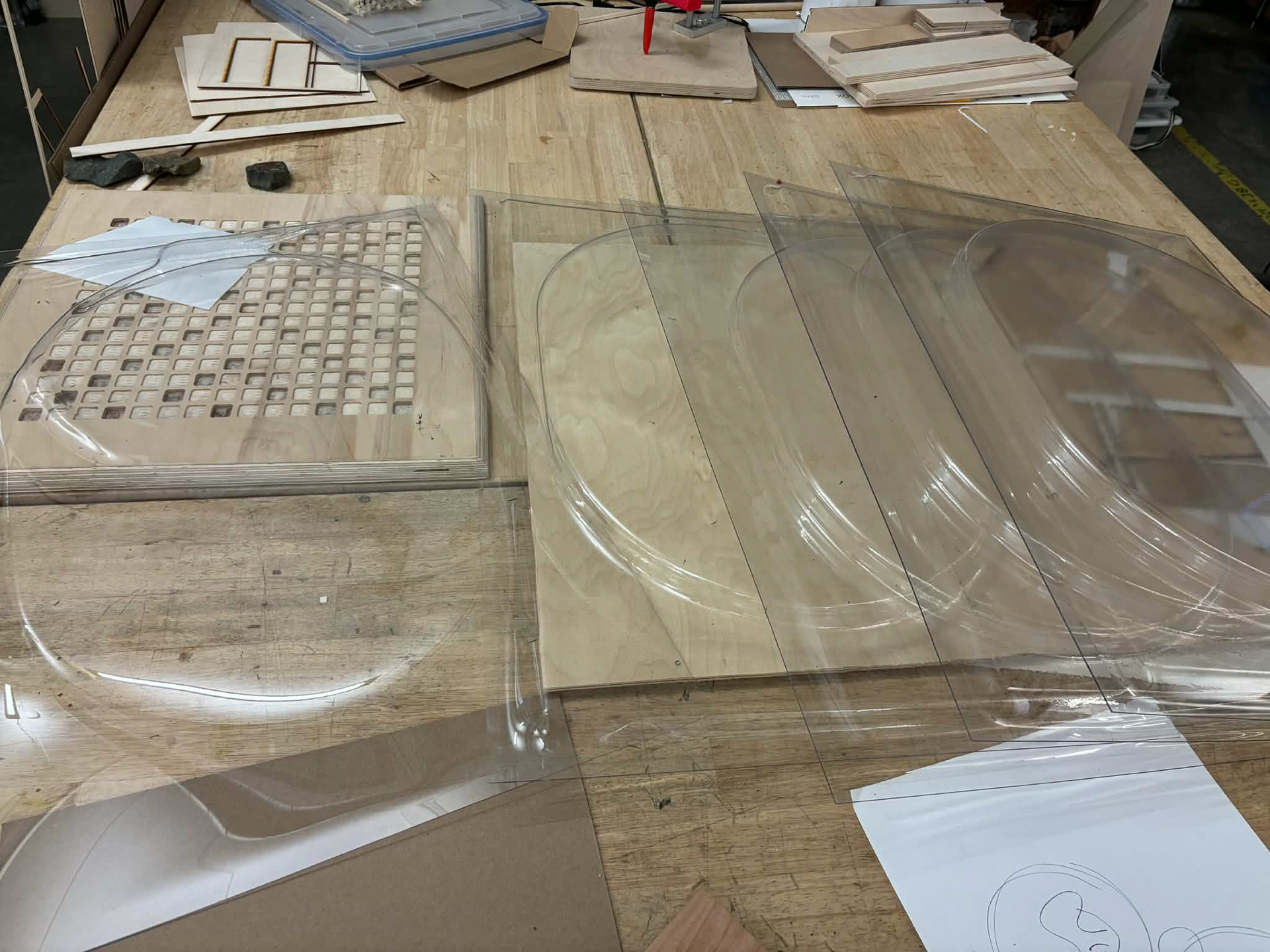
Vacuum Formed Placemat
Dār is guided by several core principles:
• Presence over attention, allowing connection without interruption
• Ritual continuity, supporting emotional grounding through everyday practices
• Abstraction, enabling personal interpretation while protecting intimacy
Together, these principles frame ambient communication as a form of quiet care rather than explicit exchange.
Design Principles
Dār reframes technology as a facilitator of subtle, meaningful connection rather than a replacement for human relationships. The project demonstrates how systems of everyday objects can support emotional continuity after displacement by embedding presence within familiar rituals. By prioritizing ambient interaction over explicit communication, Dār explores how design can help restore the gentle rhythms that make a place feel like home again.
Reflection